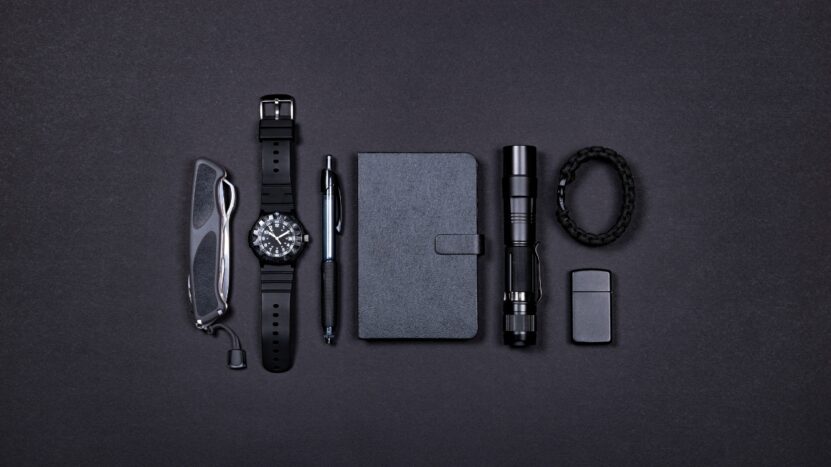
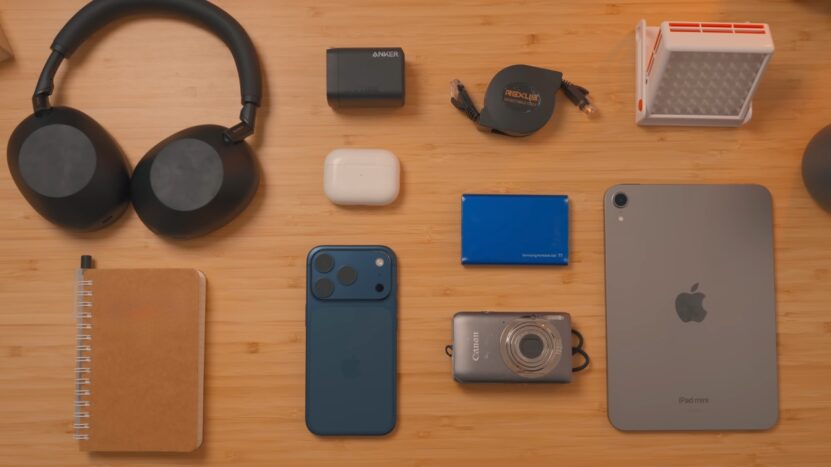
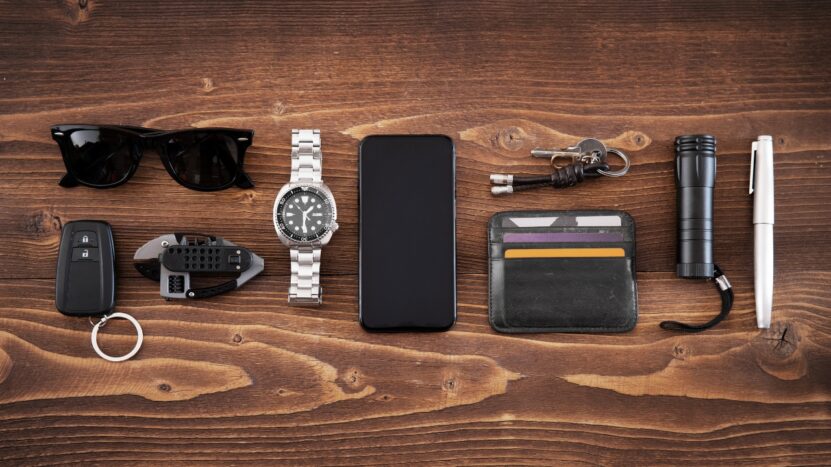
Everyday carry, often shortened to EDC, says a lot about how someone moves through the world. A slim wallet, charged phone, clean keys, pen, headphones, small notebook, medication, or backup power bank can quietly show preparation, taste, routine, and priorities. A messy pocket full of receipts says something, too.
Good EDC is not about carrying more. It is about carrying better. The goal is simple: fewer daily irritations, less fumbling, cleaner organization, and items that actually fit your life.
Everyday Carry Is A Personal System
EDC usually refers to the small items someone carries every day: phone, wallet, keys, watch, earbuds, cards, cash, charger, sunglasses, transit pass, notebook, multitool, or medical items.
At a deeper level, it works like a personal operating system. Your carry setup reflects where you go, what problems you expect, and how much friction you tolerate.
Consumer behavior researcher Russell Belk’s well-known work on possessions and identity argued that owned objects can become part of how people express and see themselves. That idea fits EDC perfectly.
A person’s daily items may signal profession, habits, values, or even anxiety level before any conversation begins.
Someone who carries a compact charger likely hates being caught unprepared. Someone with a battered notebook may think better on paper. Someone with a cardholder and no cash may trust digital payments, while someone with folded bills may prefer backup options.
No single setup is “correct.” The better question is whether your carry matches your real day.
What Your EDC Says About You
A carry setup usually gives off one of several impressions.
| EDC Pattern | What It Often Suggests | Possible Weak Spot |
| Minimal phone, cardholder, keys | Efficient, low-clutter, decisive | No backup if the battery dies or the payment fails |
| Full pockets, receipts, loose coins | Busy, reactive, possibly overextended | Hard to find items quickly |
| Notebook, pen, analog watch | Intentional, focused, tactile | May lack digital backup |
| Power bank, cable, medicine, cash | Prepared, practical, risk-aware | Can become bulky |
| Designer wallet, polished accessories | Image-conscious, detail-oriented | Style may outrank utility |
| Worn leather, repaired gear | Loyal to objects, values longevity | May delay needed upgrades |
A good EDC setup should feel invisible most of the day. You notice it only when it saves time, solves a small problem, or keeps you from borrowing something.
The Phone Has Become The Centerpiece
The vast majority of Americans – 98% – now own a cellphone of some kind. About nine-in-ten (91%) own a smartphone, up from just 35% in the Center’s first survey of smartphone ownership conducted in 2011. https://t.co/7kBMhEy8On
— Pew Research Center (@pewresearch) November 15, 2024
Modern EDC usually starts with the phone. Pew Research Center reported in 2025 that 98% of U.S. adults own a cellphone and 91% own a smartphone.
That makes the phone less like an accessory and more like a daily access tool for banking, maps, authentication, tickets, messaging, photos, and emergency contact information.
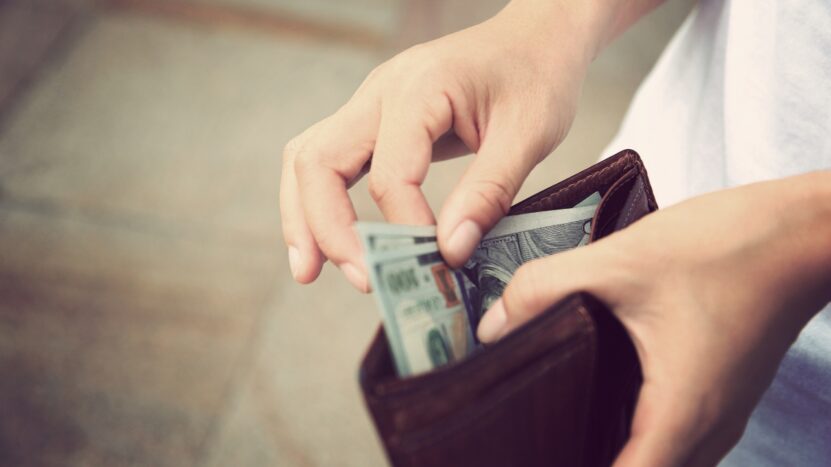
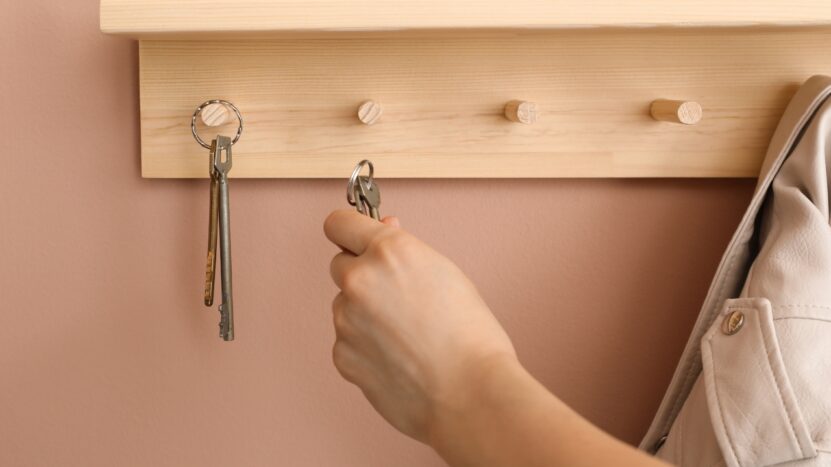
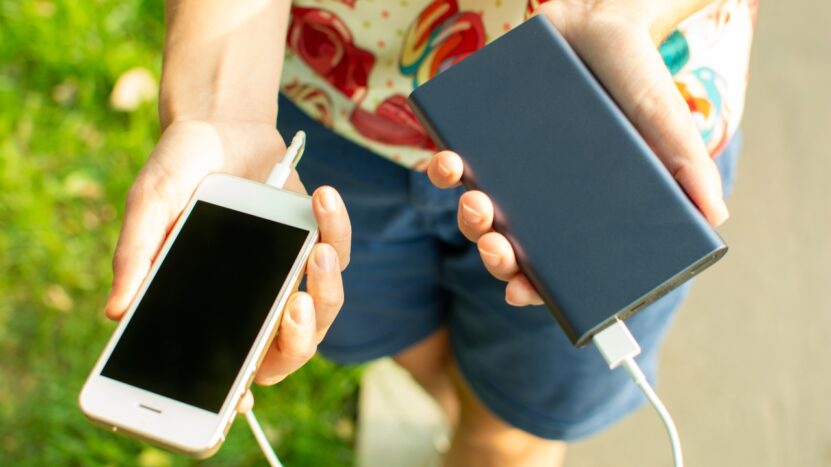
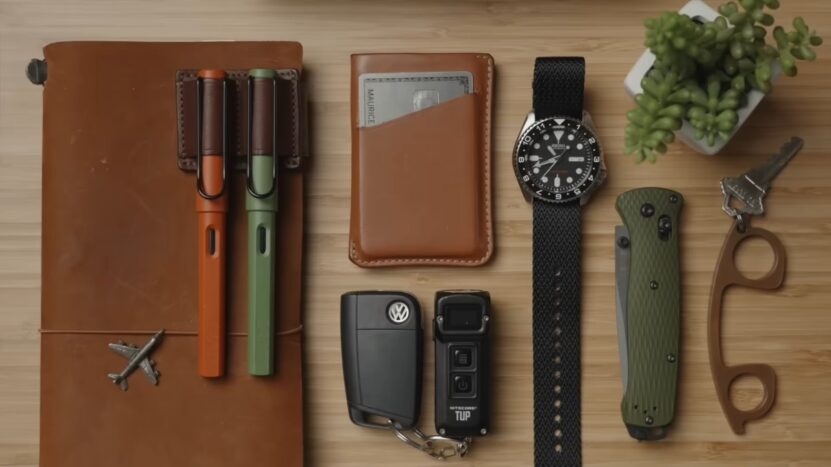
Apple’s Medical ID feature, for example, allows users to add medications, allergies, conditions, and emergency contacts, with options to make certain information accessible from the lock screen or shared during emergency calls where supported. That kind of preparation is not dramatic. It is quiet, useful, and easy to overlook until it matters. A wallet can reveal whether someone carries habits from 2006 or lives entirely through tap-to-pay. Neither approach is automatically better. Federal Reserve payment research showed that cash remained the third-most-used payment instrument in 2023, while credit and debit cards accounted for more than 60% of monthly payments. Cash also remained important as a backup, especially for in-person shopping and older consumers. The practical wallet upgrade is not about going ultra-minimal at all costs. It is about removing dead weight. Old receipts, expired loyalty cards, random business cards, and duplicate IDs create clutter without adding resilience. A slim wallet can still be prepared if it contains the right items. Keys often become a portable junk drawer. Old apartment keys, mystery keys, loyalty tags, bottle openers, broken fobs, and oversized keychains create pocket noise and bulk. A cleaner setup starts with a key audit. Lay everything out and ask: For many people, the best upgrade is a simple key organizer, a smaller ring, or a quick-release setup that separates car keys from house keys. The result feels minor until the first time you stop wrestling with a tangled metal cluster at the door. Some EDC cultures lean toward carrying a solution for every possible problem. That can become its own problem. Overbuilt carry makes pockets uncomfortable and bags heavier, and then the whole system gets abandoned. A better rule: carry for realistic inconvenience, not fantasy emergencies. For an office worker, a realistic carry may include a phone charger, pain reliever, pen, earbuds, and stain wipe. For a parent, wipes, snacks, small first-aid items, and backup power may matter more. For a commuter, transit card access, weather protection, and headphones may outrank everything else. A clean EDC system should pass 3 tests: Items that fail all 3 belong at home, in the car, or in a work bag. Portable chargers are useful, but aviation rules make quality and placement matter more than many people realize. The FAA says spare lithium batteries and power banks must travel in carry-on baggage only, not checked baggage. The agency also notes that lithium batteries can overheat through thermal runaway, especially when damaged, improperly packed, overcharged, or affected by defects. For everyday use, choose a power bank from a reputable brand, avoid swollen or damaged units, and keep cable ports clear of coins or keys. For air travel, check airline rules before packing, since the FAA notes that carriers may have stricter quantity or watt-hour limits. The ideal EDC power bank is boring: small enough to carry, large enough for one meaningful phone recharge, clearly labeled, and safely stored. Everyday carry used to mean objects in pockets. Now it also includes passwords, passkeys, backup codes, device locks, and recovery contacts. NIST’s 2025 update to its Digital Identity Guidelines covers modern authentication, fraud risk, passkeys, and digital wallets. That matters because daily objects now open access to bank accounts, work systems, medical portals, email, cloud files, and payment apps. The FTC recorded 6.5 million Consumer Sentinel reports in 2024 across fraud, identity theft, and other consumer protection categories, which gives digital hygiene real-world relevance. Start with the life you actually live. A student, contractor, nurse, designer, sales manager, photographer, and frequent flyer should not carry the same setup. EDC gets expensive when people buy objects for an imagined identity instead of solving daily friction. Put your pocket items, wallet, bag contents, and keychain on a table. Remove duplicates, expired cards, trash, broken items, and anything carried out of habit. Think through a normal weekday from leaving home to returning: EDC should answer those questions directly. Materials affect how gear ages. Cheap plastic cracks. Thin wallets stretch. Bad zippers fail. Low-quality cables fray near the connector. Leather, aluminum, stainless steel, nylon, and polycarbonate all have a place, depending on the item and use. The best choice is usually the one that balances durability, weight, repairability, and feel. For readers who want a bag that feels more intentional than a standard nylon backpack, Grainmark Leather bags offer a useful example of how full-grain leather, structured layouts, and classic shapes can turn everyday carry into something more polished without making it look forced. Pockets should handle urgent access. Bags should handle backup. Pocket carry may include phone, wallet, keys, earbuds, and lip balm. Bag carry can hold a charger, a notebook, medicine, sunglasses, a sanitizer, a small umbrella, or laptop accessories. That separation keeps daily movement lighter without losing preparation. Use the checklist below as a practical reset. Practical gear can still look good. In fact, the best EDC often looks calmer because it has been edited. A scuffed leather wallet can show years of use in a good way. A clean metal pen can make a meeting feel smoother. A watch can show taste without needing attention. Even a plain black pouch inside a bag can make someone seem more organized because they stop digging around during every small task. EDC style works best when it supports behavior. A polished setup that fails under daily pressure becomes decoration. A practical setup with no visual care can feel careless. The sweet spot is gear that looks intentional and works without fuss. Your everyday carry is a small portrait of your habits. It shows what you value, what you prepare for, and how much friction you accept in daily life. Upgrading it does not require buying a drawer full of gear. Remove clutter, protect your phone, clean up your wallet, simplify your keys, add backup power only when needed, and take digital security seriously. The best EDC setup feels personal, useful, and almost invisible until the moment it helps.
Wallets Say More Than People Think
Keys Are Usually The Messiest Part
Prepared Does Not Mean Overloaded
Power Banks Need Smarter Choices
Digital Security Belongs In Your EDC
How To Upgrade Your Everyday Carry Without Wasting Money
Step 1: Empty Everything
Step 2: Build Around Your Day
Step 3: Choose Better Materials
Step 4: Separate Pocket Carry From Bag Carry
A Simple EDC Upgrade Checklist
Category
Keep It Simple Upgrade
Phone
Protective case, updated emergency info, secure lock
Wallet
Slim profile, current ID, main card, backup cash
Keys
Remove unused keys, split daily and occasional keys
Power
Short cable plus compact charger if battery anxiety is common
Notes
Small notebook or reliable notes app
Health
Medication, allergy info, basic pain relief where appropriate
Weather
Sunglasses, compact umbrella, or lip balm, based on the climate
Security
Password manager, multifactor authentication, device tracking
Style Still Matters
Summary