
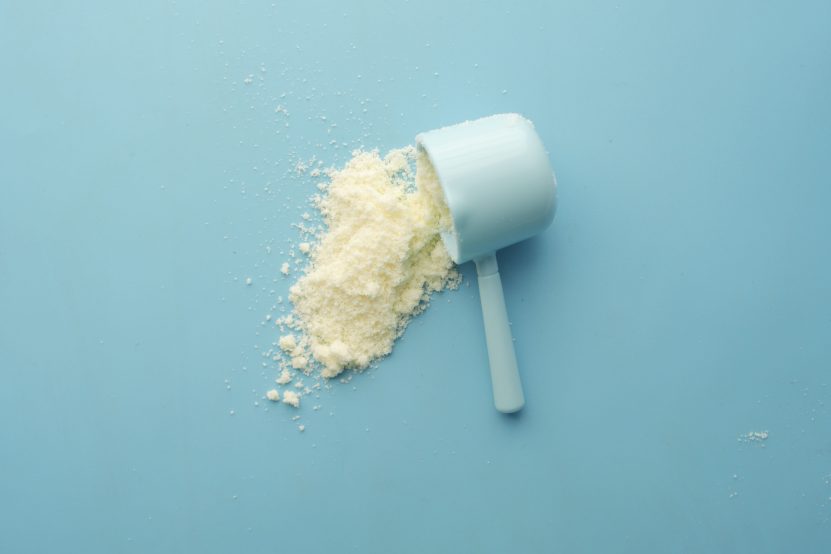
Collagen powder and collagen capsules are usually treated as competing products, as if one must be absorbed better or work faster. That is not really the decision most people are making. The more useful question is: which format makes it easiest to take a sensible amount often enough to judge whether it helps?
For most people taking collagen peptides daily, powder is the better default. It makes a gram-level serving practical, can disappear into a drink or breakfast, and usually creates less pill fatigue. Capsules are the better choice when portability, taste, or avoiding a mixing ritual matters more than convenience at home.
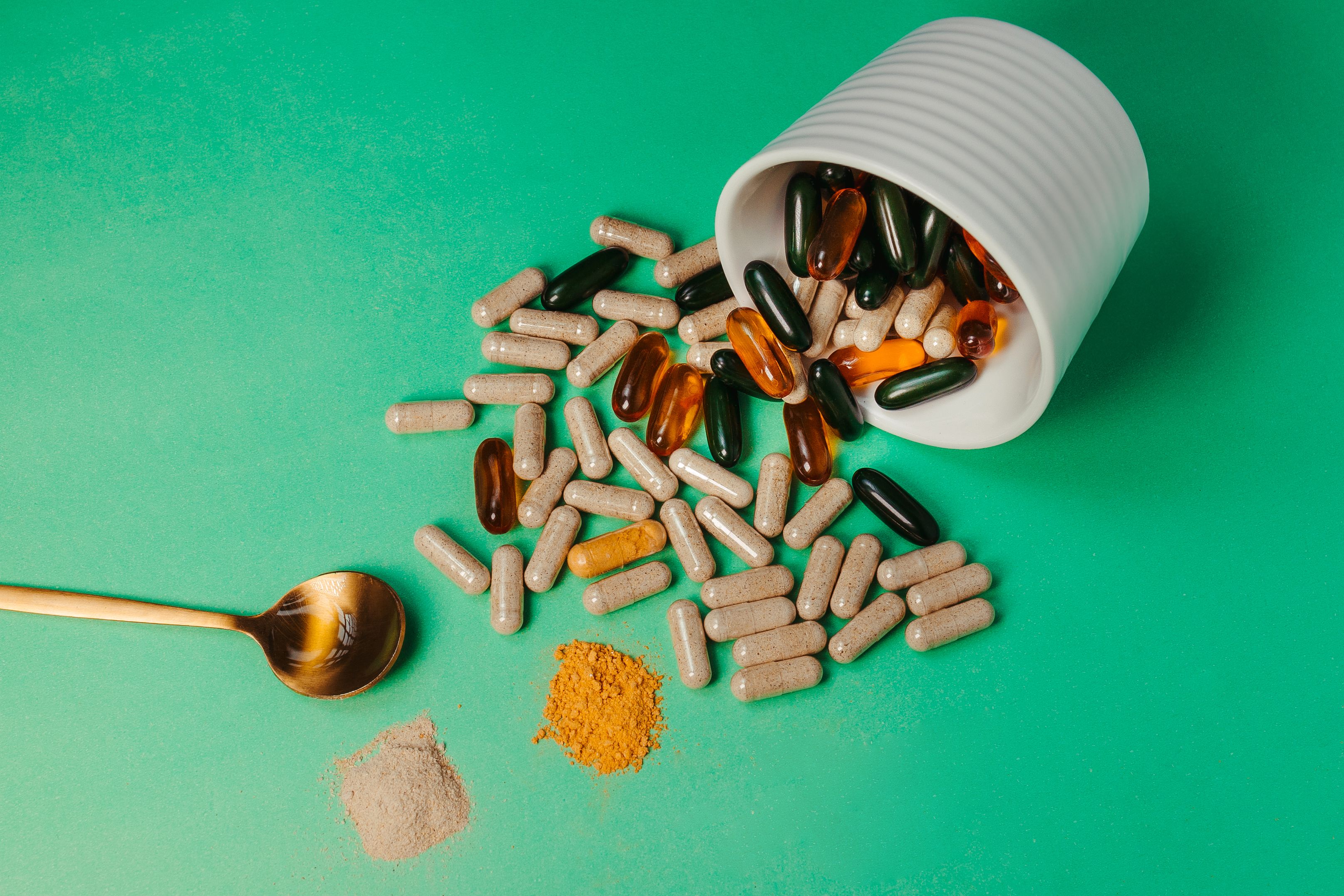
The first thing to compare is not the format
Look for the words collagen peptides, hydrolyzed collagen, or collagen hydrolysate. Whole collagen is not absorbed intact through the digestive tract; it must be broken down into smaller peptides and amino acids. Both a powder and a capsule can contain that processed form.
The label’s serving size matters more than its shape. A capsule product may look tidy, but the amount of collagen per serving can be modest compared with the gram amounts used in many studies. Powder does not automatically mean higher quality, either: it simply gives manufacturers more room to provide a substantial serving without asking you to swallow a large number of capsules.
A 2021 systematic review in Amino Acids examined 15 randomized trials involving collagen and exercise. The included studies used collagen in doses ranging from 5 to 60 grams per day, although the review’s practical discussion centered on 5 to 15 grams for several joint and connective-tissue outcomes. The studies used both capsules and powder, which is useful context but not proof that the two formats are equivalent in every product.
Why powder usually wins the everyday test
Powder has one unglamorous advantage: it is easier to match the amount you intend to take. A measured scoop can provide a multi-gram serving in one step. You can stir it into water, coffee, yogurt, porridge, or a smoothie, depending on the product’s instructions and flavor.
That flexibility turns collagen into part of an existing habit. If breakfast already includes a drink, adding powder takes seconds. If your morning is rushed, the same scoop can go into a shaker bottle. The routine is visible, too; an empty scoop and a used container are harder to forget than a bottle hidden in a cupboard.
There are drawbacks. Some powders have a noticeable smell or aftertaste, especially unflavored marine products. A powder that clumps, foams, or changes the texture of coffee can become a daily irritant. The serving may also require a spoon, a glass, and a quick rinse, which sounds trivial until you are doing it every morning.
My read is that powder is easiest for someone who is already comfortable building supplements into food. It is not easiest for someone who dislikes flavored drinks, shares a kitchen with people who object to supplement containers everywhere, or wants to take collagen discreetly at work.
Capsules remove taste, but they do not remove the dose question

Capsules are clean, portable, and predictable. There is no mixing, no flavor to negotiate, and no concern about whether collagen will dissolve in a hot drink. They fit naturally into a pill organizer and are useful for travel, commuting, or anyone who wants a supplement routine that does not announce itself.
The catch is that collagen is commonly discussed in grams, while capsules are counted one by one. If a label’s full serving contains several grams, that serving may require multiple capsules because each capsule can hold only a limited amount of powder alongside the shell and any other ingredients. The label should make the total collagen amount clear. Do not compare “two capsules” with “one scoop”; compare the actual grams of collagen peptides.
Capsules can also create a different kind of friction. Someone who dislikes swallowing pills may skip them, postpone them, or take only part of the labeled serving. In that situation, the apparently simpler format is less practical than powder. The best routine is the one that survives busy days, not the one that looks most orderly in a product photograph.
Does one form work better?
There is no good basis for promising that capsules work better than powder, or that powder is absorbed more effectively simply because it is mixed into a drink. The active material, processing, serving amount, and product quality matter more than whether the peptides arrive loose or inside a capsule.
A 2024 randomized, double-blind crossover study published in Frontiers in Nutrition looked at the absorption of collagen hydrolysates from fish, porcine, and bovine sources. Six healthy volunteers took a single 10-gram dose dissolved in water. Hydroxyproline-related measures rose substantially after intake, but the study was a small absorption study, not a test proving improvements in skin, joints, or hair. It also tested powder in water, not a head-to-head powder-versus-capsule comparison.
That distinction matters. Detecting collagen-derived peptides in blood tells us that digestion and absorption occurred. It does not tell us that a particular capsule brand will improve a specific complaint, nor that a powder will outperform it. Research on outcomes remains mixed and often small. Harvard Health’s review of oral collagen supplements notes potential benefits but also emphasizes that larger, better-designed studies are still needed.
Choose by the obstacle that makes you skip it
Use this decision rule:
- Choose powder if you want a multi-gram serving, already drink coffee or a shake, and do not mind measuring or mixing.
- Choose capsules if you travel frequently, dislike the flavor of collagen drinks, or need a no-preparation option.
- Choose neither yet if you have not checked the ingredient source, serving amount, allergens, or whether the product fits your diet.
If the real problem is remembering, attach the product to something that already happens: breakfast, your first glass of water, or brushing your teeth. If the real problem is taste, capsules may solve it. If the real problem is swallowing several pills, powder is the obvious escape route.
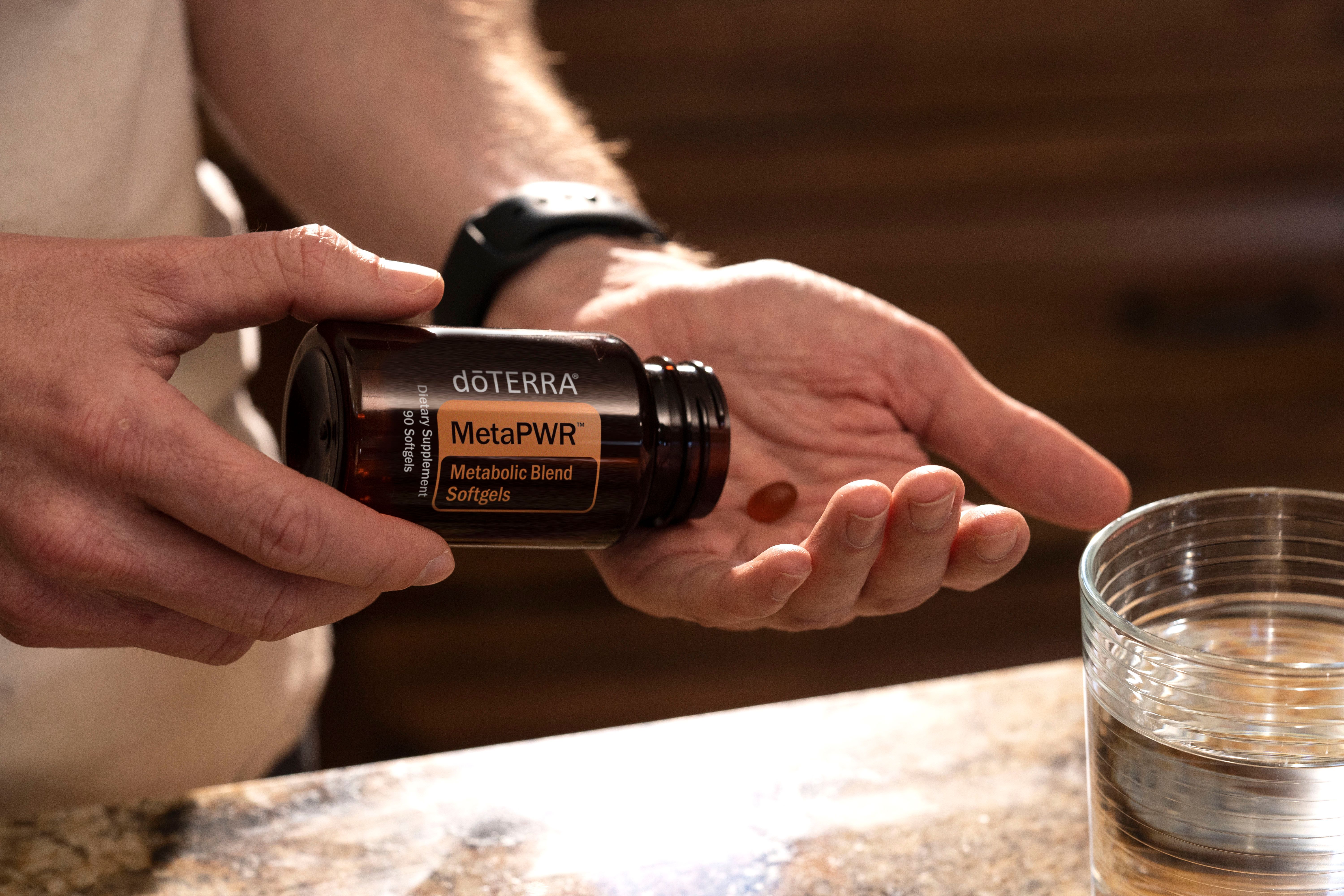
What to check before buying
Start with the collagen source. Bovine, porcine, and marine collagen are not interchangeable for people with allergies, religious or ethical restrictions, or dietary preferences. Marine collagen deserves particular caution if you have a fish allergy. Read the complete ingredient list rather than assuming “collagen” is the only thing in the product.
Next, check the amount of collagen peptides in the full daily serving. A product can contain many capsules but still provide less collagen than you expected. For powder, check whether the scoop size is a true serving and whether the container’s total servings match the label.
Quality assurance is worth considering, especially because supplements are not evaluated like medicines before they reach the market. The NIH Office of Dietary Supplements explains that independent seals such as USP Verified or NSF certification can indicate testing of identity, purity, strength, or contaminants, although such seals do not prove that a product will deliver a particular health benefit. The NIH guide to dietary supplements and safety also recommends discussing supplements with a healthcare professional when medicines, pregnancy, nursing, surgery, or medical conditions are involved.
Safety and realistic expectations
Collagen products are generally tolerated by many users, but “natural” does not mean risk-free. Cleveland Clinic lists possible side effects including digestive upset, diarrhea, headache, and lightheadedness. Allergic reactions are a more important concern for people sensitive to the animal source or to flavorings and other added ingredients.
People with conditions that require protein restriction, a history of gout, or significant food allergies should ask a clinician before starting. Stop using a product and seek medical advice if you develop signs of an allergic reaction or persistent symptoms. Also remember that a collagen product is a supplement, not a treatment for unexplained joint pain, hair loss, skin changes, or brittle nails.
The marketing often skips an awkward fact: your body does not send an oral supplement directly to the body part named on the label. Collagen-derived amino acids and peptides enter normal digestion and metabolism. Some studies report improvements in skin measures or joint symptoms, but those results should be interpreted as preliminary or product-specific rather than a guarantee.
My practical verdict
For a person trying to take collagen every day at a meaningful gram-level serving, I would start with an uncomplicated powder. It offers the best chance of getting the intended amount without turning the routine into a handful of pills. Put it beside the drink or breakfast you already have, and judge the routine by whether you can repeat it on ordinary, distracted mornings.
I would choose capsules instead when the powder’s taste is the reason it will sit unused, or when travel and discretion are the priority. A capsule is not a compromise if it is the format you will actually take. A perfect powder that remains sealed in a cupboard has no practical advantage over a capsule you carry and use.
Whichever format you choose, compare the full serving, not the marketing language: collagen source, grams of peptides, added ingredients, allergen information, and independent quality testing. If you are looking for a collagen supplement, that checklist is more useful than choosing by powder-versus-capsule appearance alone.
How this article was put together
This comparison focused on the daily-use question rather than promising a cosmetic or medical outcome. I checked a 2024 randomized absorption study in Frontiers in Nutrition, a 2021 systematic review of collagen and exercise trials, Harvard Health’s 2025 discussion of the evidence, and the NIH Office of Dietary Supplements’ consumer safety guidance. The research does not provide a robust, direct trial of identical collagen delivered as powder versus capsules, so the recommendation about ease is based on dose logistics and routine design, not a claim of superior absorption. Product formulas and quality certifications should be rechecked when buying.