

There was a time when digital discovery felt slower, more communal, and somehow more personal. In the early internet era, finding something worth sharing often meant being part of a niche message board, an IRC room, a forum, or a peer-to-peer network where trust was built through usernames, recommendations, and reputation. Content moved from person to person because someone thought it mattered.
Today, discovery still depends on sharing—but the mechanics have changed dramatically. Instead of manually passing links across online communities, modern social ecosystems rely on predictive feeds, engagement velocity, and algorithmic ranking systems. What once travelled through peer networks now moves through machine learning models.
In this environment, views have become one of the clearest indicators of digital value. On platforms like Facebook, a video’s visibility is often shaped by how quickly it accumulates views, reactions, and watch time. These metrics now function as both distribution signals and cultural status markers, defining what becomes visible in an increasingly crowded internet.
The evolution from file sharing to social sharing is more than a technical shift. It reflects a deeper change in how trust, influence, and digital relevance are created online.
The Early Era of Digital Sharing and Community Discovery
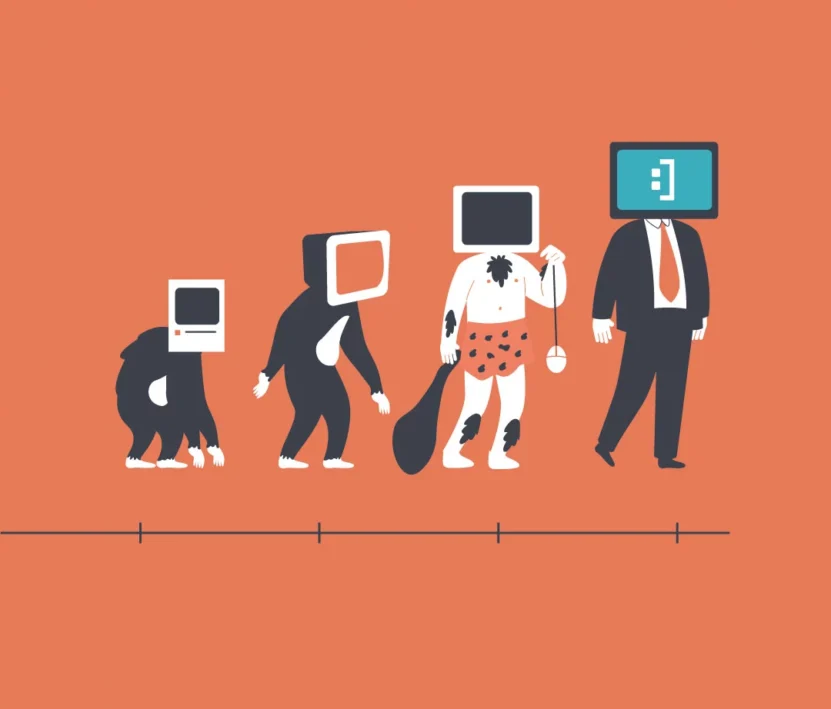
Before social feeds, discovery was largely community-driven. Early internet users found music, videos, software, and ideas through systems built around shared interest rather than algorithmic prediction.
Peer-to-peer networks such as Napster, LimeWire, Kazaa, and BitTorrent became early symbols of digital sharing culture. But beyond the technology itself, what made these ecosystems powerful was the human layer around them. People relied on community recommendations, curated lists, forum posts, and social reputation to decide what was worth downloading.
The mechanics were simple:
- users searched directly for what they wanted
- communities surfaced hidden gems
- trust was built through repeated recommendations
- distribution happened through participation
Discovery was slower, but it felt intentional. Digital communities acted as cultural filters, shaping what became popular through human judgment.
This period also established an early version of what we now call social proof. If enough people in a trusted forum were discussing a file, it gained legitimacy. The content’s perceived value came from visible community interest.
That same psychological principle still drives content distribution today—only the signals have evolved.
How Social Media Replaced Traditional Discovery Models
As platforms like Facebook, YouTube, and later TikTok matured, they replaced community-led discovery with feed-based recommendation systems. Instead of users searching through niche communities, platforms began surfacing content proactively.
This shift marked the beginning of the attention economy.
In the social era, content competes not for storage space or download bandwidth, but for milliseconds of attention. Discovery is no longer driven primarily by explicit search intent; it is shaped by engagement signals and predicted relevance.
Modern feed algorithms evaluate:
- click-through behavior
- watch time
- comments and shares
- reaction speed
- user interaction history
This created a fundamentally different internet culture. Visibility became less about where content lived and more about how platforms decided to rank it.
The result is a faster but more opaque discovery model. Instead of communities curating value, machine learning systems interpret human behavior and amplify what appears most engaging.
For readers of internet culture, this represents one of the defining shifts of the modern web: from community-based curation to algorithmic gatekeeping.
Why Facebook Views Matter More Than Ever
Among modern visibility signals, Facebook views have emerged as a particularly important metric because they sit at the intersection of discovery, trust, and content momentum.
A view on Facebook is not simply a vanity number. In video-first environments, it acts as:
- an early relevance signal
- a trust indicator for new viewers
- a momentum driver for broader distribution
- a trigger for viral feedback loops
When users encounter a video that already has significant view volume, they are more likely to watch, react, and share. This creates a self-reinforcing cycle where visibility generates more visibility.
The shift toward short-form and autoplay video formats has made this even more significant. Facebook increasingly interprets viewing behavior as a stronger signal than passive impressions because it reflects actual attention rather than theoretical exposure.
For brands, creators, and media publishers, views now influence not just reach but perceived authority. A widely viewed video suggests cultural relevance, which can increase both trust and click-through behavior.
This mirrors the old internet’s community-trust systems—but at platform scale.
The Role of Visibility Tools in Modern Content Distribution
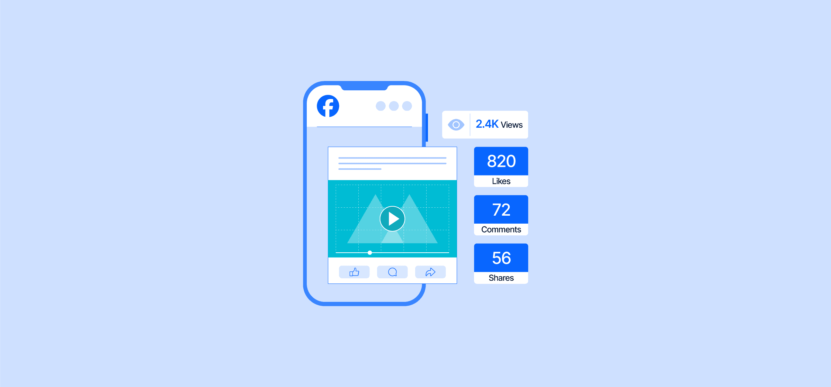
As social distribution has become more algorithmic, creators and brands increasingly rely on infrastructure tools that help support early discovery and stable momentum.
In the early web, visibility came from being listed on the right forum or being shared by the right community member. Today, the equivalent often involves analytics dashboards, paid distribution, cross-platform seeding, and specialised Facebook video visibility services that help content enter the early momentum phase more effectively.
For agencies and creators, these tools are often less about “artificial growth” and more about synchronising visibility with publishing strategy. A strong video launch now depends on:
- release timing
- audience activation
- cross-platform sharing
- early engagement velocity
- visibility support systems
This reflects a broader professionalisation of digital culture. Sharing is no longer only social—it is operational.
Social Proof as the New Trust Layer
One of the most fascinating continuities between old internet culture and modern social feeds is the role of visible trust signals.
In the past, trust came from community endorsement. Today, it comes from:
- views
- reactions
- comment density
- share counts
These signals form a new layer of digital credibility.
Psychologically, users still rely on herd behavior. When a post already appears popular, it feels safer and more worthy of attention. This is especially true on Facebook, where visible reactions and comment activity shape first impressions within seconds.
For digital entrepreneurs and marketers, this means visibility metrics are not just performance indicators—they are perception architecture.
What the Future of Social Sharing Looks Like
Looking toward 2026 and beyond, social sharing is likely to become even more predictive.
AI-driven feeds are already moving beyond reactive engagement models toward systems that forecast satisfaction before users even interact. Future discovery systems will likely prioritise:
- predicted watch completion
- likely emotional response
- trust affinity
- cross-platform behavioral signals
- creator consistency patterns
In this environment, sharing becomes less about user action and more about AI-assisted anticipation.
Yet the underlying principle remains familiar: content rises when enough signals suggest it deserves attention.
The difference is that today those signals are quantified, scored, and distributed at machine speed.
Conclusion
The journey from file sharing to social sharing tells a larger story about how the internet has evolved.
What began as community-led discovery in forums and peer networks has become an ecosystem defined by algorithmic feeds, engagement velocity, and view-based trust signals. Yet the core human behavior remains unchanged: we still look to visible signs of collective interest to decide what matters.
Facebook views, in this sense, are the modern equivalent of old-school digital reputation. They represent attention, relevance, and increasingly, authority.
The platforms may have changed, but the internet’s deeper logic is still built on shared signals of trust.