
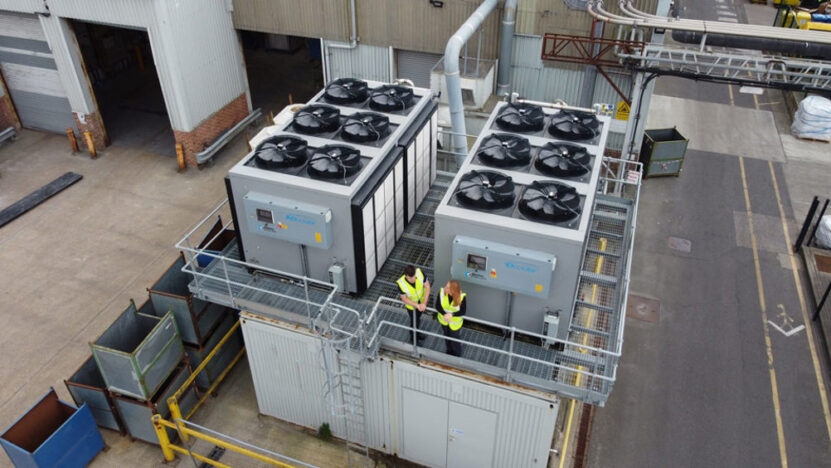
In today’s fast-paced industrial world, temperature control is a critical factor that affects both productivity and equipment longevity. As industries expand and technology advances, maintaining optimal environmental conditions has become increasingly important.
Whether in manufacturing, data centres, or commercial spaces, efficient air cooling systems play a vital role in ensuring smooth operations, energy efficiency, and safety.
Understanding Industrial Air Cooling Systems
Air cooling systems are designed to regulate temperature by circulating cool air through machinery, workspaces, or enclosed environments. These systems come in various forms, from evaporative coolers and air handling units to precision cooling systems, each tailored to specific industrial needs.
Unlike traditional refrigeration-based solutions, air cooling systems are generally more energy-efficient and environmentally friendly, making them an appealing choice for many sectors.
Why Cooling Efficiency Matters
Efficient cooling goes far beyond comfort. In industrial environments, temperature fluctuations can significantly impact production output, cause equipment malfunctions, or even lead to complete shutdowns. For example, excessive heat can damage sensitive electronics, affect chemical processes, and reduce the lifespan of motors or compressors.
Modern air cooling systems address these challenges through advanced technologies such as variable speed fans, smart temperature sensors, and eco-friendly refrigerants. By maintaining a consistent and controlled climate, companies can protect their assets, ensure worker comfort, and reduce energy waste.
Applications Across Multiple Sectors
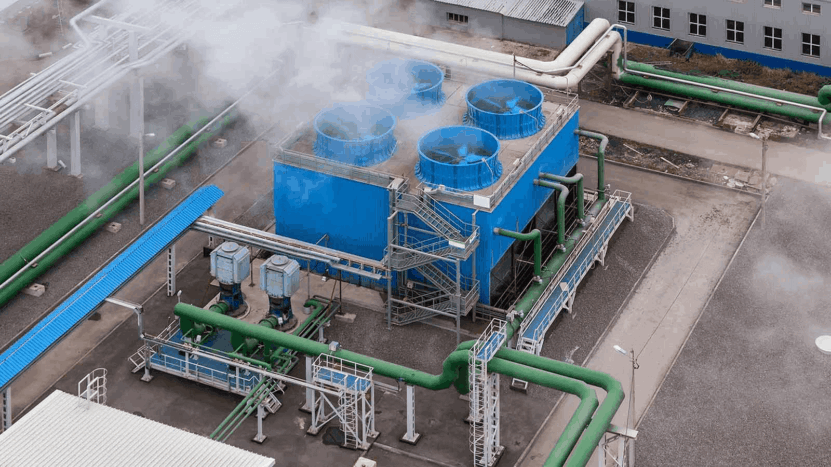
Air cooling systems are widely used across industries that rely on consistent temperature control. In manufacturing, they help keep machinery and production lines at safe operational temperatures. Data centres, which generate massive amounts of heat from servers, depend heavily on precision cooling to prevent overheating and maintain uptime.
Similarly, agricultural facilities use air cooling to protect livestock and crops from excessive heat, while commercial buildings rely on cooling systems to create comfortable indoor environments for staff and customers. Each application demands a tailored approach to ensure performance, efficiency, and reliability.
Technological Advancements in Cooling Systems
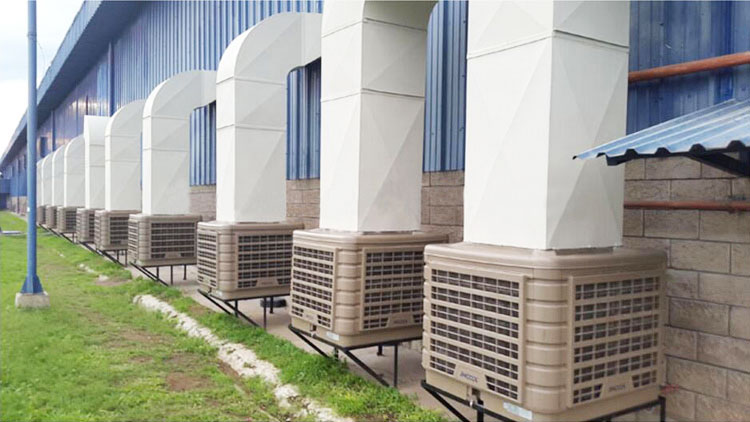
The cooling industry has evolved dramatically in recent years, driven by growing demand for sustainable and cost-effective solutions. Innovations such as evaporative cooling technology, energy recovery ventilators, and automated control systems have revolutionised how industries manage air temperature.
Smart cooling systems, for instance, utilise IoT (Internet of Things) connectivity to monitor environmental data in real time. This allows for automatic adjustments based on temperature fluctuations, occupancy levels, or energy consumption, reducing unnecessary power usage while maintaining consistent cooling performance.
Environmental and Economic Benefits
The environmental impact of traditional cooling methods, especially those reliant on harmful refrigerants, has led many organisations to adopt greener alternatives. Energy-efficient air cooling systems consume less electricity, which helps reduce carbon emissions and operational costs simultaneously.
Furthermore, governments and regulatory bodies are increasingly encouraging businesses to implement eco-friendly cooling solutions through incentives and energy efficiency standards. This shift not only benefits the environment but also enhances a company’s reputation as a sustainable, forward-thinking enterprise.
Choosing the Right Air Cooling Solution
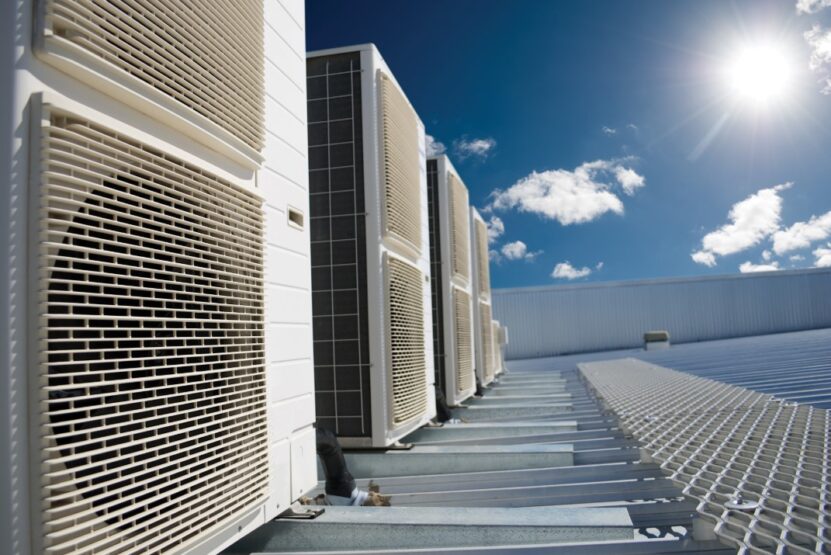
Selecting the right air cooling system depends on several factors, including the size of the facility, type of industry, climate conditions, and budget. A comprehensive assessment of heat load, airflow patterns, and building design is essential to determine the best approach.
Professional consultation is often recommended to ensure that the chosen system meets both operational and energy efficiency requirements. By working with experts in the field, businesses can design and install solutions that provide long-term reliability and measurable savings.
Maintenance and Performance Optimisation
Regular maintenance is vital to the longevity and performance of any cooling system. Dust accumulation, fan imbalance, or clogged filters can all hinder airflow and reduce efficiency. Implementing a preventive maintenance plan that includes periodic inspections, cleaning, and performance testing can significantly extend the lifespan of equipment and avoid costly breakdowns.
Modern systems equipped with monitoring sensors can also alert facility managers to potential issues before they escalate. This proactive approach ensures that performance remains optimal while minimising downtime and energy waste.
Partnering with an Experienced Air Cooler System Supplier
When it comes to sourcing high-quality cooling solutions, partnering with a trusted air cooler system supplier is crucial. Experienced suppliers not only provide reliable products but also offer valuable guidance on system design, installation, and after-sales support. They can help businesses identify the most suitable technologies and configurations for their specific operational needs.
A reputable air cooler system supplier ensures that clients receive energy-efficient and durable solutions that align with both environmental goals and budgetary constraints. Working with the right supplier can make a significant difference in achieving consistent performance, reduced energy costs, and long-term sustainability.
The Future of Industrial Cooling ─ Innovation and Integration
Looking ahead, the next generation of air cooling systems will rely even more heavily on automation, data analytics, and renewable energy integration. Artificial intelligence is expected to play a central role, enabling predictive maintenance and real-time system optimisation that anticipates temperature changes before they affect production. Solar-assisted and hybrid cooling systems are also gaining traction, offering a sustainable alternative that reduces dependency on traditional energy grids.
As global temperatures rise and industries strive to achieve net-zero carbon goals, demand for smart, low-impact cooling technologies will only increase. Companies that adopt these forward-thinking solutions early will benefit not only from lower operational costs but also from enhanced resilience and regulatory compliance.
Ultimately, efficient air cooling is becoming a strategic necessity rather than an operational choice. Businesses that recognise its growing role, and align their investments with innovation and sustainability, will lead the way in shaping a cleaner, smarter, and more efficient industrial future.
Conclusion
As industries continue to evolve, the importance of efficient air cooling systems cannot be overstated. From maintaining safe working conditions to protecting critical equipment, effective temperature management underpins productivity and sustainability. By investing in advanced, environmentally friendly solutions and partnering with a reliable air cooler system supplier, businesses can ensure optimal performance, reduced costs, and a greener future for years to come.