

Silk and blended carpet can make a room feel quietly luxurious, especially when soft lighting catches the pile and the colours seem to glow.
Yet these fibres are sensitive to everyday life, from gritty shoes on a wet afternoon to the sun drifting across the floor on a bright morning.
With steady, thoughtful care, you can keep that sheen and softness for years, without turning maintenance into a chore.
Recognise What Silk and Blends Need
Silk is prized for its fine threads and natural lustre, which is exactly why it needs a lighter touch than stiffer fibres. The pile can crush more easily, and harsh friction can roughen the surface, leaving it looking tired.
Blended carpets, which mix silk with fibres such as nylon or polyester, usually handle wear better, but they still benefit from the same gentle habits because the silk content can snag or become dull if treated roughly.
It helps to notice how your carpet behaves through the day. In the winter, damp air and muddy grit can work their way in, while in the summer, heat and sunlight can dry weaves and fade dyes.
With this in mind, aim for maintenance that removes soil before it settles and protects the pile from pressure and abrasion. The goal is not perfection but consistency that keeps your carpet looking refined rather than worn.
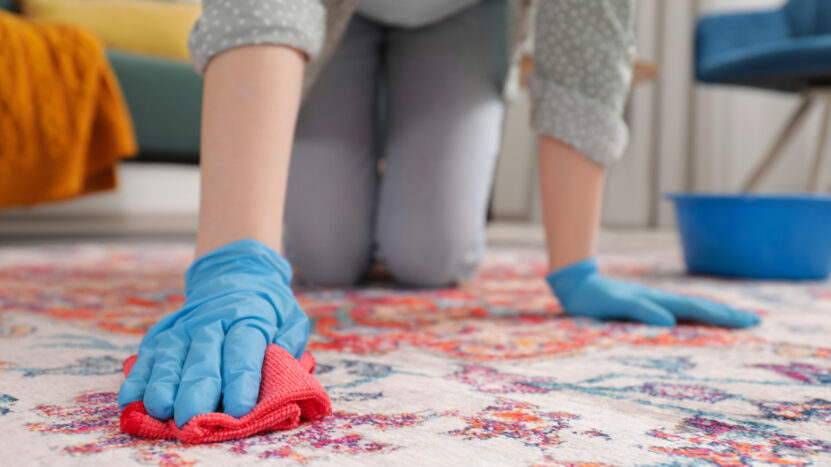
Hoover With Care and Consistency
A careful hoovering routine does more than tidy the surface; it prevents fine grit from grinding against fibres every time you walk across the room.
For silk and blends, a gentle brush attachment is generally the safest choice, and a lower suction setting helps reduce strain on delicate threads. If the hoover head feels as though it is tugging at the pile, ease back and adjust before continuing.
Work slowly in the direction of the pile, letting the machine lift dust rather than pushing it deeper. Meanwhile, pay attention to edges and corners where debris gathers, but avoid aggressive scraping along skirting boards.
In homes with regular footfall, hoovering a couple of times a week is usually enough, and in quieter rooms it may be less frequent.
Over time, this simple rhythm keeps the surface bright and reduces the need for heavy cleaning that can stress silk.
Share the Wear Through Smart Placement
Even the finest carpet cannot resist constant pressure in the same spots. The trick is to spread wear so the pile does not flatten into a permanent path.
Rotating the carpet by half a turn every few months helps, especially in hallways or living rooms where you naturally walk the same route.
In the same spirit, shifting furniture slightly can prevent deep dents that distort the pile and catch the light unevenly.
If your favourite chair sits in one place, a discreet rug pad can reduce friction and cushion the fibres. Doorways and tight corners can also suffer from repeated scuffing, so a runner or mat in high-traffic zones makes sense, provided it does not trap moisture underneath.
When moving furniture, lift rather than drag, since dragging can pull at the weave and create ripples. A little repositioning now saves you from battling stubborn flattening later.
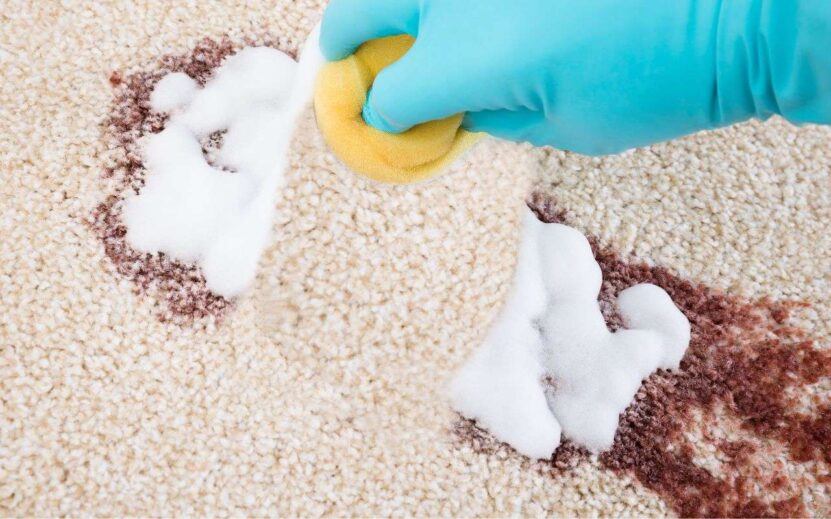
Treat Spills Before They Settle
Spills feel dramatic on silk, yet quick, calm action makes the difference.
Start by blotting, not rubbing, using a clean, pale cloth and gentle pressure to draw liquid up from the pile. Rubbing can spread the stain and roughen the fibres, which is especially noticeable on silk because it reflects light so clearly.
For water-based spills, cool water with a small amount of mild detergent can help, applied sparingly with a soft cloth from the outside of the mark towards the centre. Too much moisture can soak into the backing, so keep the cloth only lightly damp and blot between passes.
For oily marks, a fine layer of cornflour can absorb grease if left for a short while, then brushed away carefully before a gentle hoover.
Ink is trickier, so a cotton bud with a little isopropyl alcohol can lift colour when dabbed slowly, followed by a light wipe with a barely damp cloth to remove residue.
Whatever the stain, patience protects the pile far better than force.
Choose Gentle Products and Keep the Scent Fresh
Many household cleaners are too strong for silk, and even blends can suffer if residue sits in the fibres and attracts more dirt. A pH-neutral solution is safer, and products labelled for delicate natural textiles are a sensible starting point.
Testing matters as much as the product itself, so try any cleaner on an inconspicuous area and wait a full day to check for fading, texture change, or slight stiffening.
Odours can be handled with similarly simple care. Baking soda scattered lightly across the surface can absorb smells if left for a few hours, then removed with gentle hoovering.
For a lighter refresh, a fine mist of diluted white vinegar can help, but it should never soak the pile, and the room should be well ventilated until fully dry.
Crisp mornings with open windows and moving air can do wonders, and a dry carpet always holds its finish better than a damp one.
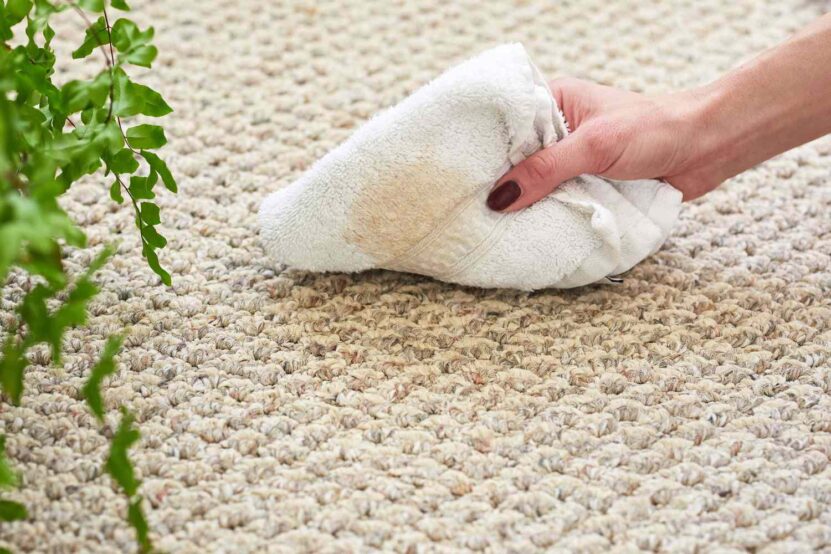
Deep Clean Carefully and Protect for the Long Term
Even with good daily habits, deeper cleaning becomes necessary because fine soil settles below the surface.
For silk and blends, low-moisture methods are usually safer than heavy wetting, since excess water can distort the backing and dull the sheen.
If you use a machine at home, keep heat low, move with the pile, and allow generous drying time before replacing furniture. Dampness left too long can lead to lingering smells and fibre stress, so airflow and patience are essential.
Many households choose a specialist service once a year, and booking house carpet cleaning can be a sensible way to restore brightness without risking damage through trial and error.
When selecting a provider, look for experience with silk and mixed fibres and ask what methods are used to control moisture and protect dyes.
Protection is just as important as cleaning. Felt pads under furniture reduce crushing, and window coverings that filter sunlight help prevent fading.
With these points in mind, a regular glance over the carpet, especially after busy periods or seasonal changes, lets you catch snags or flattening early, before they become harder to correct.
Conclusion
A silk or blended carpet rewards care in a way few floor coverings can, because its surface holds light and colour with real character.
If you keep dirt from building up, deal with spills straight away, and avoid constant heavy pressure in the same spots, the rug stays flatter and the room looks consistently tidy.
In the end, the best results come from small habits done steadily, so your carpet remains elegant through every season.