

Amazon FBA prep requirements in 2026 are stricter primarily because sellers are now expected to send inventory fully prepared before it reaches fulfillment centers.
That means correct labeling, compliant packaging, visible expiration dates, and protection against shipping damage must all be handled before the shipment leaves the seller or supplier.
Products arriving without proper preparation often face intake delays, extra handling fees, or rejection, which directly impacts sales timelines and operational costs.
Labeling Requirements: Accuracy Drives Warehouse Efficiency
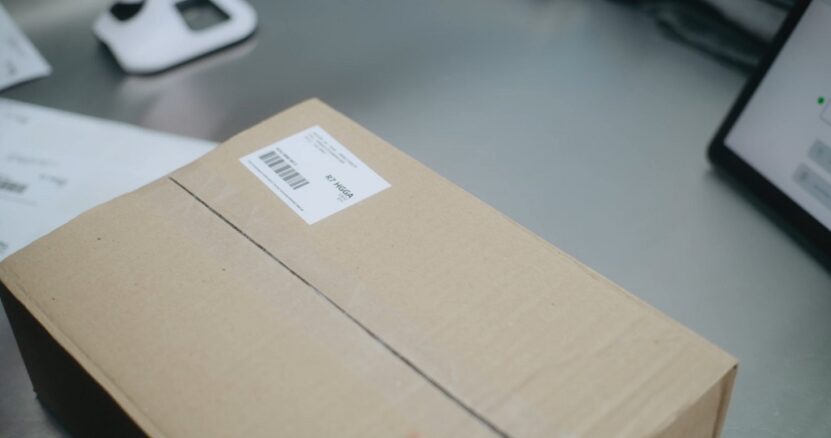
Labeling errors remain the most common cause of FBA shipment delays. Amazon uses automated scanning systems to identify and track products, so barcodes must be instantly readable and correctly placed.
Most FBA items require an FNSKU barcode, which uniquely ties each unit to a specific seller account. This prevents inventory commingling and ensures accurate fulfillment tracking. Poor label placement, conflicting barcodes, or low-quality printing can disrupt automated intake systems.
Common labeling mistakes sellers still make:
- Placing barcodes over seams, curves, or corners
- Leaving manufacturer UPCs visible when FNSKU is required
- Using low-resolution or faded printing
- Applying labels unevenly or wrinkly
These issues may seem minor, but they often result in significant processing delays.
Certain product categories also require additional handling labels. Fragile products, liquid items, and bundled sets must include clear instructions so warehouse staff and automated systems handle them correctly.
Poly Bag Rules: Protection and Safety Compliance

Poly bagging protects products from dust, moisture, contamination, and shipping friction. Amazon expects protective packaging to maintain product condition from inbound shipping through final delivery to the customer.
Standard poly bag expectations include sufficient thickness, secure sealing, and visibility of the product barcode without opening the bag. Loose or thin packaging increases the risk of tearing during handling.
A critical compliance element is the suffocation warning requirement. When poly bags have openings larger than five inches, a visible suffocation warning must be printed on the bag or attached as a label. This is a safety requirement applied consistently across many product categories.
Typical items requiring poly bagging include:
- Apparel and textiles
- Plush or fabric products
- Liquids, gels, and powders
- Multi-piece bundled products
Ignoring this requirement frequently leads to rebagging fees or shipment rejection at intake.
Expiration Date Requirements: Visibility Is Mandatory
Expiration date compliance is particularly important for consumables, cosmetics, supplements, medical products, and certain chemicals. Amazon requires clear expiration labeling in a standard date format with sufficient font size for quick identification.
If additional packaging, such as shrink wrap or poly bags is applied, the expiration date must remain visible externally. Warehouse staff should never need to open packaging to verify shelf life.
Typical operational rules sellers follow include:
- Clear MM-DD-YYYY date formatting
- Large, easily readable font size
- Minimum remaining shelf life upon arrival
- External visibility after prep packaging
Inventory failing expiration compliance often gets disposed of rather than corrected, making this one of the most costly prep mistakes.
Why Many Sellers Use Prep Centers Now

Handling preparation internally can be manageable at a small scale, but once inventory volume grows or international sourcing becomes involved, consistency becomes difficult. Many sellers, therefore, rely on specialized prep services.
Working with a professional service such as Dollan Prep Center allows inspection, labeling, packaging, and compliance verification before products enter Amazon fulfillment networks. This reduces inbound errors, improves processing speed, and helps maintain inventory flow without repeated corrections.
Prep partners often also manage quality control checks, packaging standardization, and documentation requirements that would otherwise require internal staff training.
Core FBA Prep Compliance Overview
| Prep Area | What Amazon Expects | Typical Consequence if Ignored |
| Barcode Labels | Clear FNSKU, proper placement | Delayed intake or inventory misrouting |
| Poly Bags | Protective sealed packaging witha safety warning | Rebagging fees or shipment rejection |
| Expiration Dates | Visible standardized format | Disposal or listing suppression |
| Packaging Strength | Durable, drop-resistant packaging | Damage claims and returns |
| Pre-Shipment Checks | Verified compliance before shipping | Costly post-arrival corrections |
*This framework reflects how Amazon evaluates incoming inventory today.
Operational Impact for FBA Sellers
Preparation quality directly affects how quickly products become sellable. Delays at fulfillment centers interrupt sales momentum, advertising performance, and product ranking. Sellers running high-volume operations often build standardized prep workflows with inspection checkpoints before shipment creation.
Typical workflow improvements include:
- Pre-label verification procedures
- Standard packaging material sourcing
- Batch expiration date checks
- Final inspection audits before shipping
These steps reduce variability and prevent repeated inbound issues.
Cost Implications of Improper Preparation
Preparation mistakes rarely stay isolated. A single labeling error can delay entire shipments, while packaging problems can cause product damage that affects reviews and return rates.
Costs often include:
- Relabeling or repackaging fees
- Return freight expenses
- Inventory disposal losses
- Delayed sales opportunities
Preventive preparation almost always costs less than post-shipment correction.
How to Build a Reliable FBA Prep Workflow

Consistency in preparation usually comes from clear internal procedures rather than last-minute fixes. Sellers who treat prep as a defined operational process generally experience fewer inbound issues and faster fulfillment activation.
A practical prep workflow typically includes supplier-level checks before shipment, standardized packaging materials, consistent labeling templates, and a final inspection stage before cartons leave the warehouse. This prevents common problems such as hidden expiration dates, unreadable barcodes, or insufficient packaging protection.
Many sellers also implement periodic audits of their prep process. These audits help identify recurring issues, reduce long-term costs, and maintain compliance as Amazon policies evolve. Reliable workflows ultimately protect inventory flow and reduce operational surprises.
Bottom Line
Amazon FBA prep requirements in 2026 revolve around three non-negotiable areas: correct barcode labeling, compliant protective packaging, including poly bag safety rules, and clearly visible expiration dates.
Sellers who implement structured preparation workflows or rely on experienced prep partners maintain faster inventory intake, fewer operational disruptions, and more predictable fulfillment performance.