

Selling a tenanted property can sometimes feel like a challenge, but it can also be a strategic move that benefits both landlords and buyers.
More investors are recognising that selling a property with tenants in situ can offer a faster, less disruptive, and more financially attractive route compared to a traditional vacant-property sale.
Why Selling with Tenants Is Gaining Popularity
When a property already has tenants in place, it represents an immediate, income-producing asset. For many buyers, particularly investors, this sets the property apart from a typical sale. Instead of needing to find new tenants after purchase, the buyer acquires a property that already delivers rental income from day one. This makes the property more appealing and often easier to market.
For landlords, selling with tenants can simplify the process significantly. There’s no need to manage tenants’ departure, no marketing period to relocate them, and no anxious void periods while the property waits for a new occupant. Effectively, you’re selling a “turn-key” income stream.
Furthermore, in an economic climate where every month of mortgage payments counts, avoiding a void period can save the seller thousands of pounds in lost rent and utility bills.
Faster, Smoother Transactions
A sale with tenants in situ tends to move faster because there is no need to coordinate vacant possession, refurbishment, or tenant handover. Fewer moving parts usually means fewer delays, and this can translate into a quicker sale completion.
Plus, for the buyer, the certainty of having a tenancy in place from day one can offer peace of mind. Rather than spending time and money securing a new tenant, vetting references, and conducting inventory checks, they step into a ready and occupied property.
This continuity is also beneficial for the upkeep of the building; occupied homes are generally kept warmer and aired out, preventing the damp and deterioration often associated with properties that sit empty on the market for months.

The Hidden Cost Savings for Sellers
Beyond the obvious benefit of continued rent, selling with tenants in situ eliminates several “hidden” costs associated with vacant possession. When a property is empty, the seller becomes liable for 100% of the council tax, standing charges for utilities, and increased insurance premiums, as standard policies often do not cover properties left unoccupied for more than 30 days.
Additionally, vacant properties often require staging or cosmetic refurbishment to look presentable. A tenanted property, assuming the tenant keeps it in good order, offers a “lived-in” aesthetic that allows investors to see the potential of the space without the seller needing to rent furniture or pay for professional staging.
This organic presentation can often be more convincing to an experienced investor than a sterile, empty shell.
Financial Appeal ─ Steady Cash Flow and Investment Confidence
Properties sold with tenants in place often command a premium from investors because they immediately begin generating rental income. Without disruption or loss of rent between sale and re-let, buyers can enjoy predictable cash flow. This is particularly attractive in high-interest rate environments where investors need immediate returns to cover financing costs.
For landlords, especially those selling multiple properties or an entire portfolio, this method can help demonstrate the value of the rental yield and occupancy stability, making the investment case stronger to potential buyers. The buyer isn’t just purchasing bricks and mortar; they are purchasing a proven business model with a track record of payment history.
Streamlining Compliance and Paperwork
Another often-overlooked benefit is the transfer of compliance data. When selling with tenants, all the safety certifications, such as Gas Safety Records, EICRs (Electrical Installation Condition Reports), and EPCs, are typically already in place and valid.
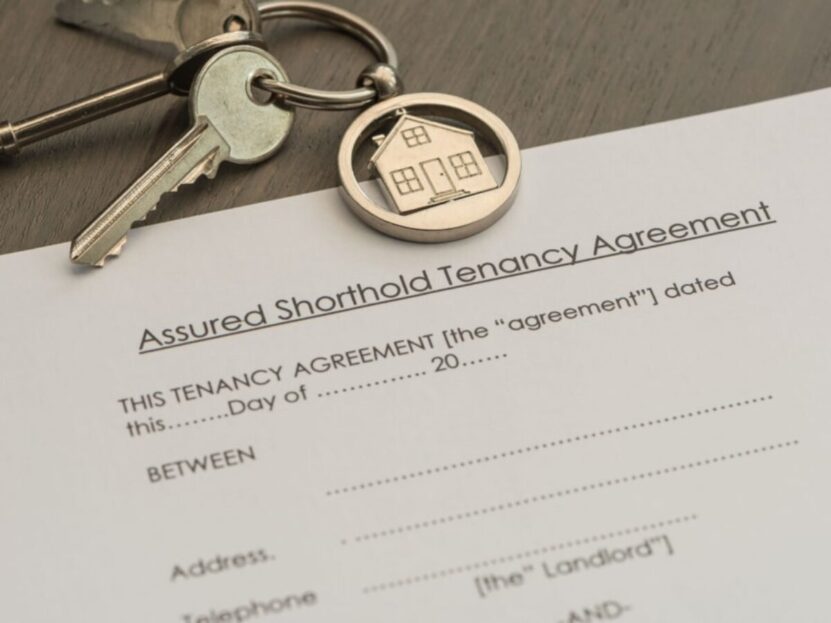
Transferring the existing Assured Shorthold Tenancy (AST) agreement is legally straightforward. This saves the buyer the administrative headache of commissioning new inspections and drafting new contracts immediately upon completion.
Easier Marketing to Investors
Marketing a property as a “ready-to-go investment” with tenants in situ can open up the pool of potential buyers significantly. Instead of focusing solely on homebuyers, the property becomes attractive to landlords and portfolio investors seeking passive income.
Since tenants are already in place, investors can review the tenancy terms, rental history, and occupancy records, often making decisions quicker and more confidently. They can verify that the rent is being paid on time and that the tenants are treating the property well, which removes the “unknown quantity” risk of finding a new tenant from scratch.
Reduced Risk for All Parties
Selling a vacant property comes with inherent risks: void periods, refurbishment delays, and uncertainty of finding new tenants. By contrast, a sale with tenants mitigates much of that risk. The buyer gets immediate income and clarity; the seller avoids managing vacant property and potential interim costs.
For tenants, it can also offer stability. Since they remain in situ under the existing tenancy agreement, there’s no sudden disruption or forced move. This fosters goodwill and cooperation during the viewing process, as tenants who feel secure are more likely to keep the property tidy and accommodate potential buyer visits.
Where to Explore Ready-to-Sell Tenanted Properties
If you’re considering selling a property with tenants, it helps to work with experienced professionals who understand the nuances involved. For those investigating their options, a good starting point is the Selling a Property with Tenants in situ page, which outlines how the process works and what you can expect at each stage.

Selling with Tenants ─ A Smart Option for Landlords and Investors
Selling a property with tenants in situ isn’t just a pragmatic choice; it can be a strategic one. Whether you’re a landlord looking for a smoother exit or an investor seeking an income-ready acquisition, this approach offers distinct advantages: speed, financial certainty, and reduced risk.
If you want to explore how to market your property effectively while tenants remain in place, or if you’re a buyer seeking a hands-off rental income, then selling (or buying) with tenants in situ is a compelling path worth considering.